Sentinel
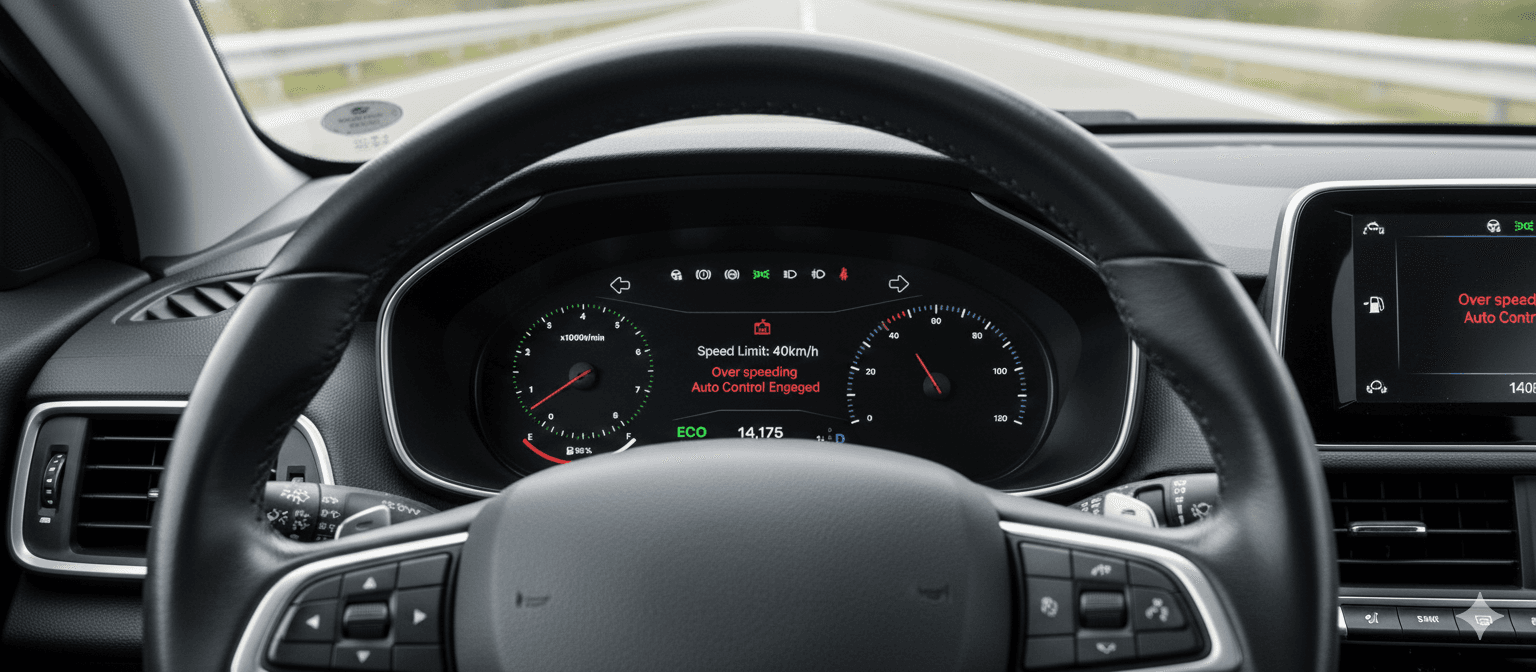
Concept system addressing road safety in limited-reaction environments, tackling India's 18,000 annual road deaths, saving 5,000 lives marks success.
Project Overview
Sentinel is a proactive road-safety system designed to reduce speeding-related fatalities, addressing a crisis that claims over 18,000 lives annually in India. Moving beyond passive speedometers, this project focuses on behavioral intervention, creating a system that alerts drivers before danger escalates without increasing cognitive distraction.
My Role
Problem Framing, User Behavior Analysis, Interaction Design, and System Visualization.
Design Approach
Behavior-First Intervention: Shifted focus from displaying raw data to delivering "urgent vs. ignorable" feedback, ensuring drivers recognize risk rather than just reading numbers.
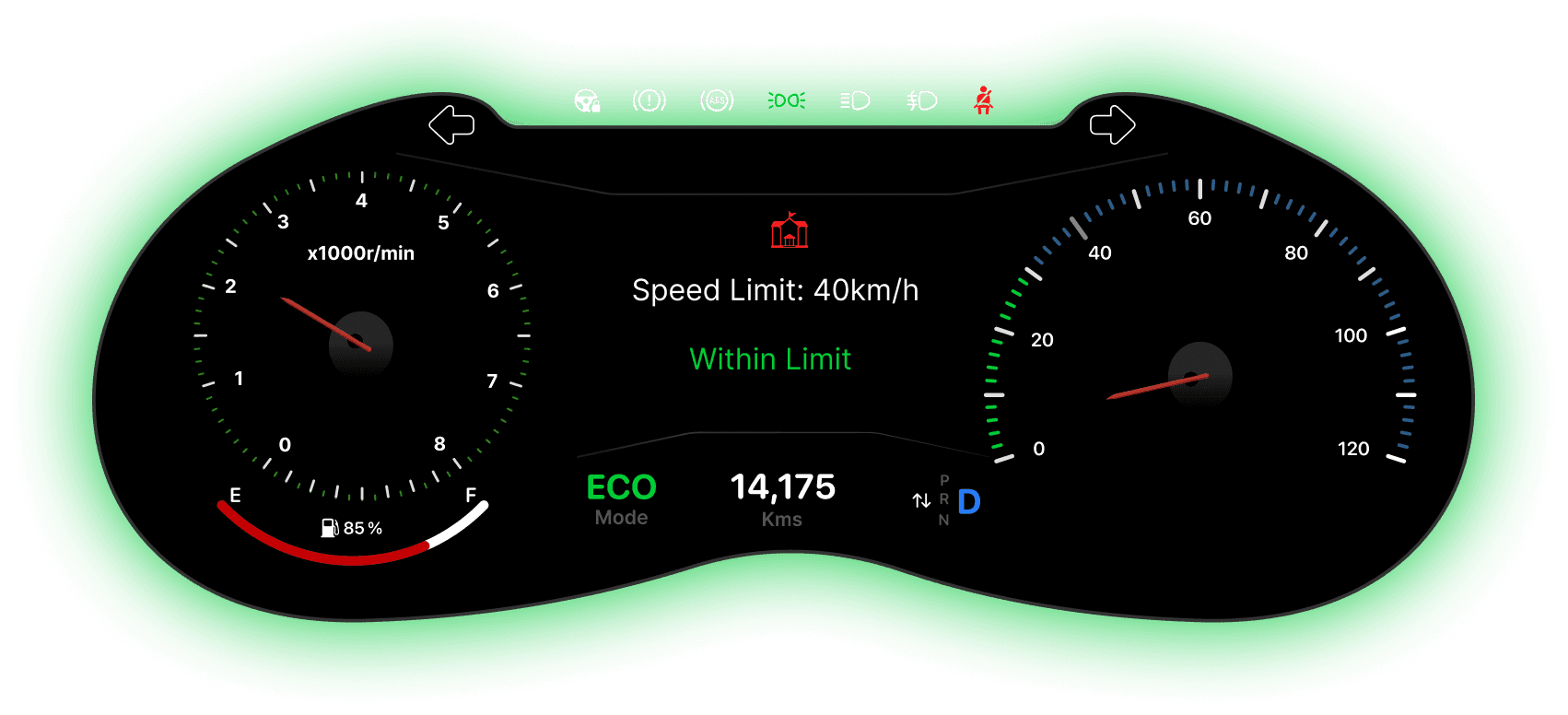
Cognitive Load Management: Designed a "Minimal Distraction" framework where alerts only trigger when thresholds are breached, preventing "notification fatigue" and keeping the driver’s focus on the road.
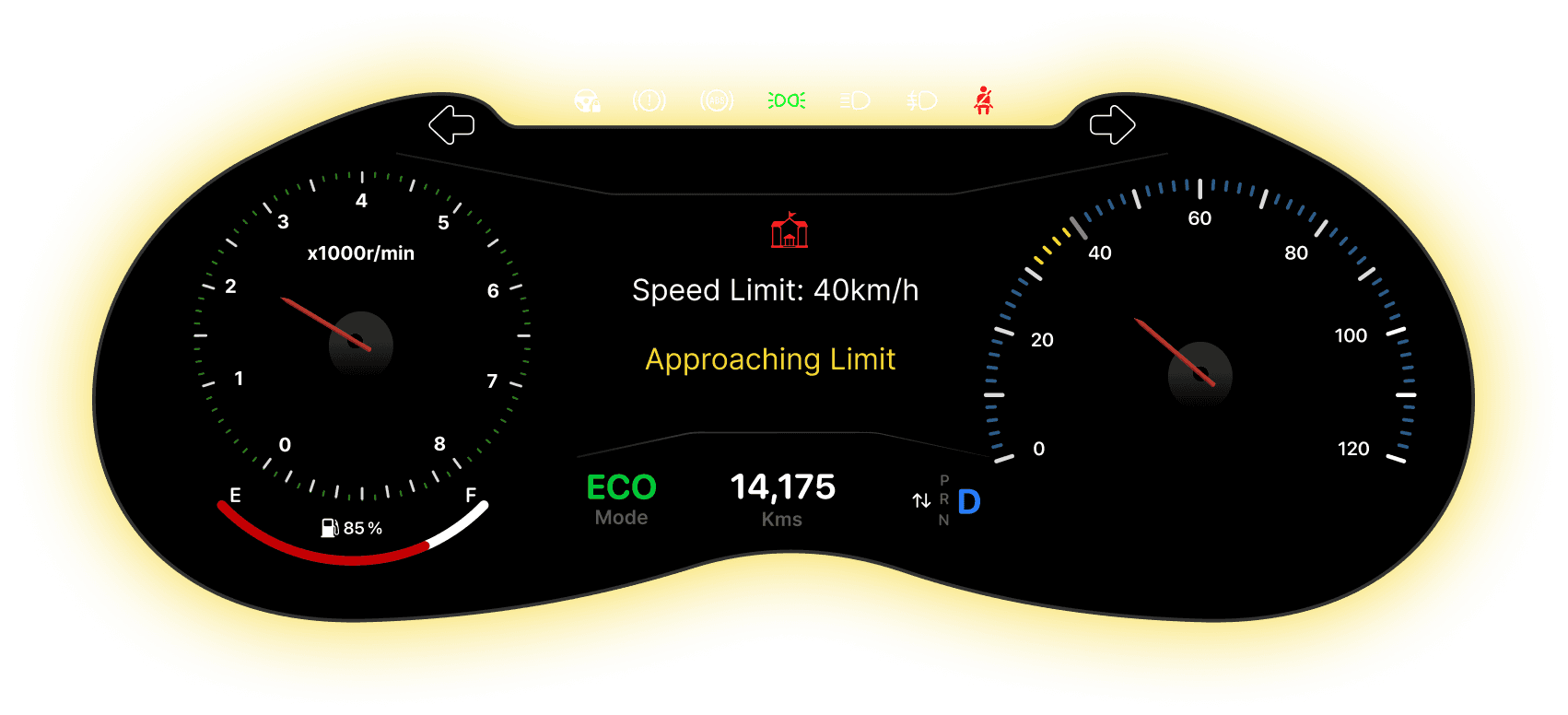
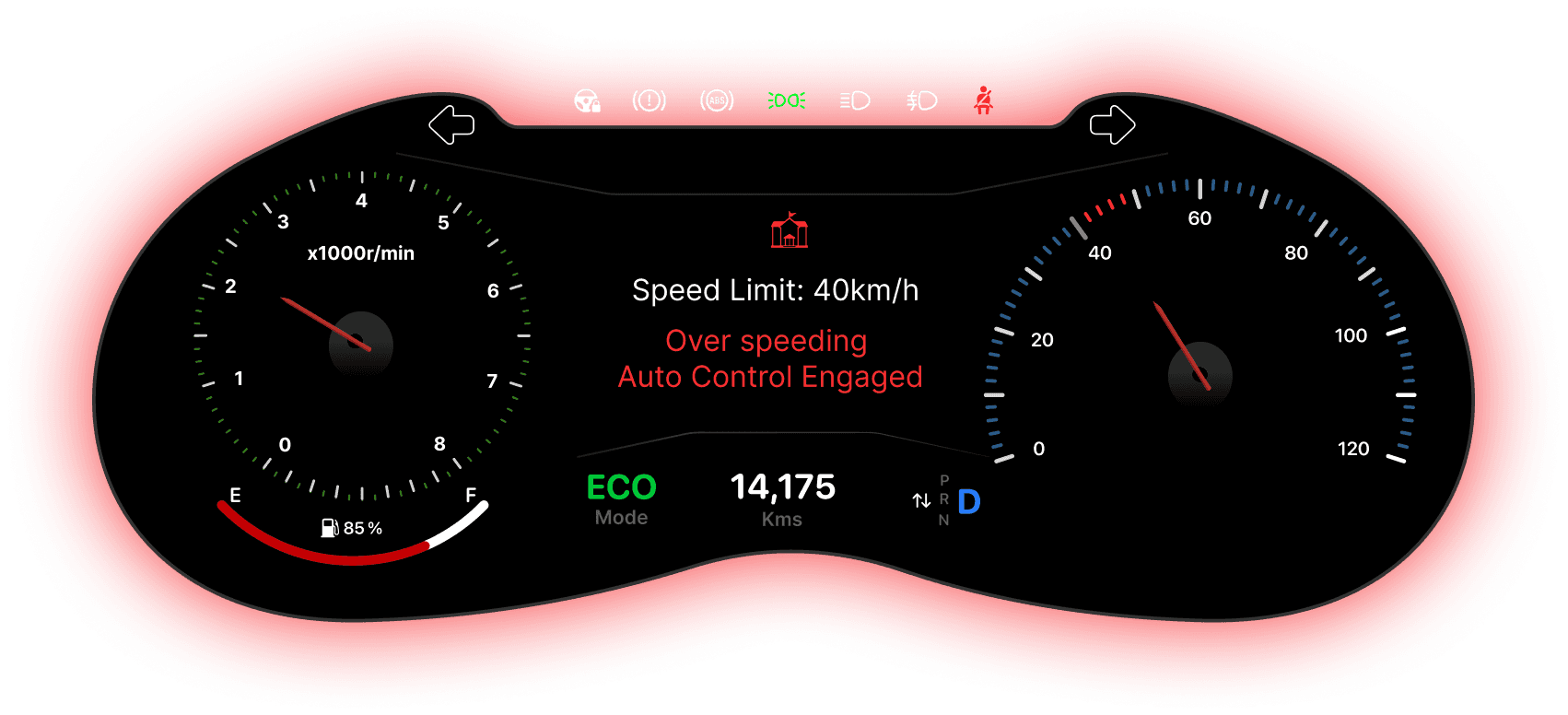
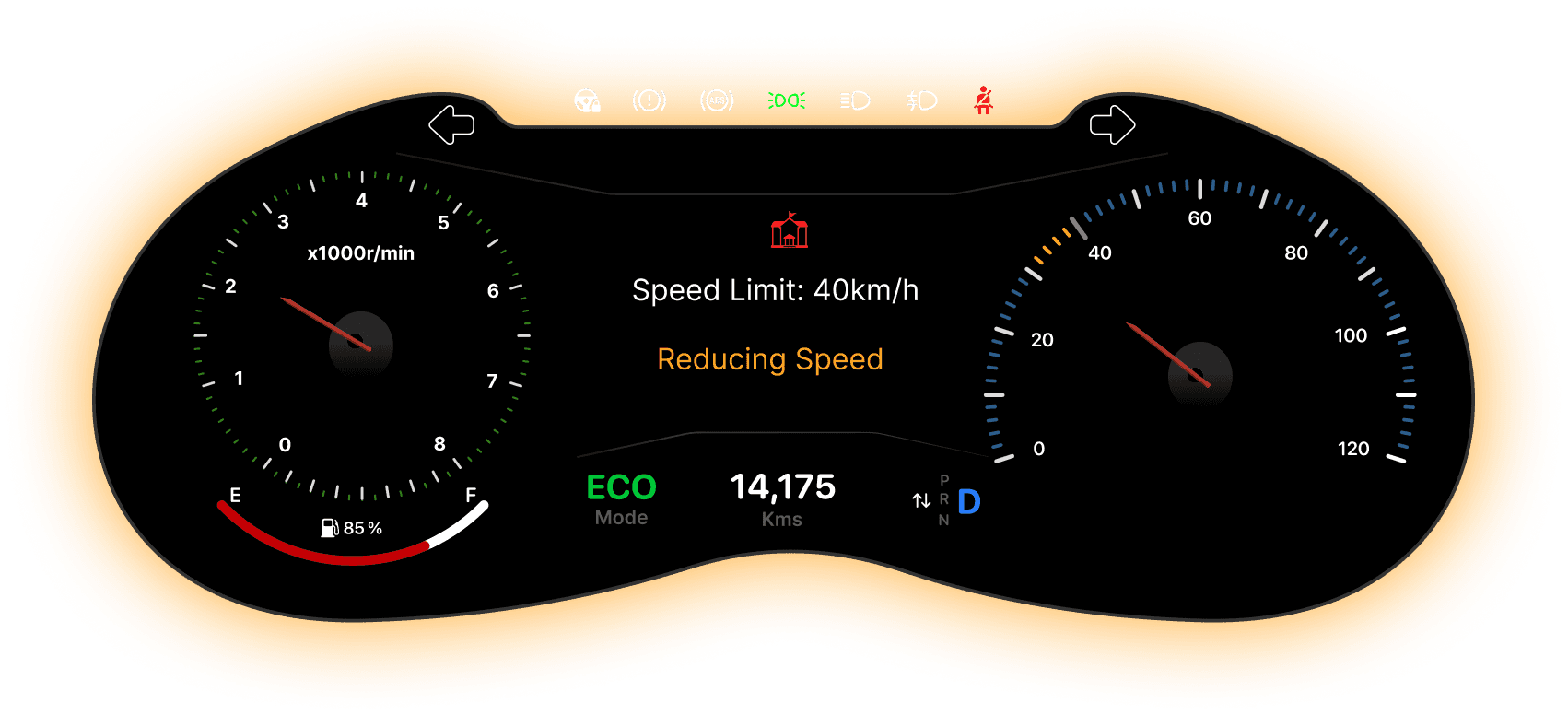
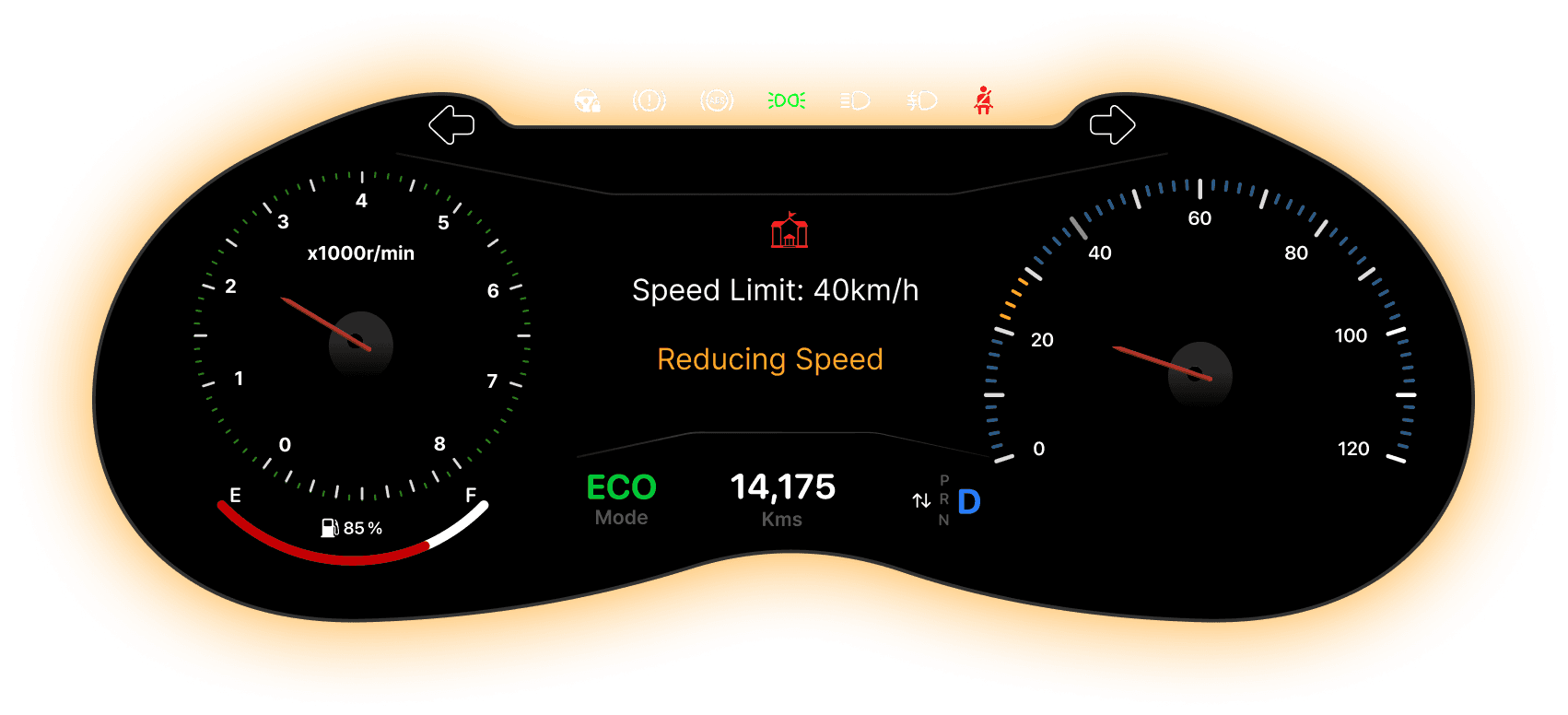
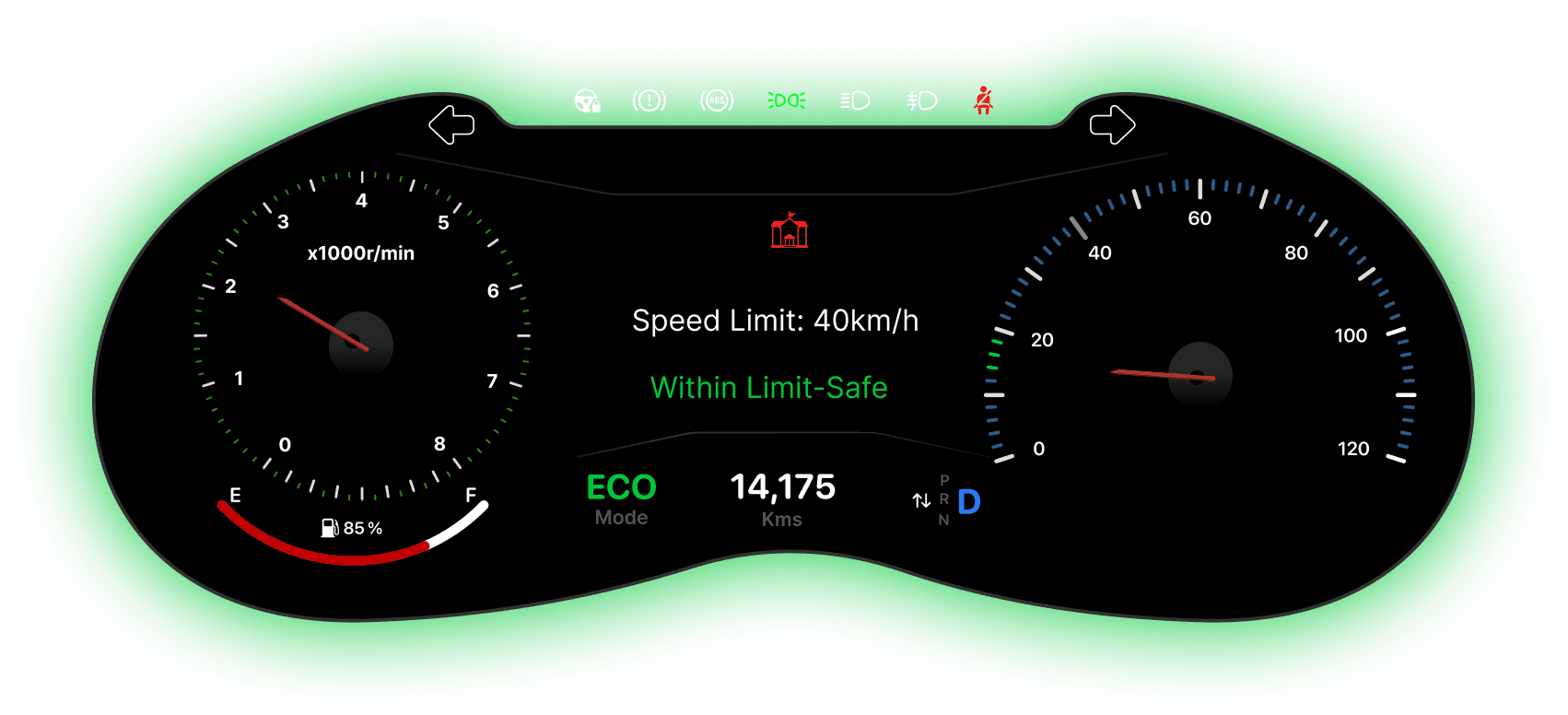
Escalated Feedback Loops: Developed a multi-level interaction flow between the vehicle and driver, using intuitive cues that increase in intensity as the risk level rises.
Strategic Friction: Prioritized high-risk escalation over constant monitoring to ensure that the system remains a helpful guardian rather than an annoying hindrance.
Final Outcome
A high-impact safety concept that balances driver attention with life-saving intervention. Through user simulations, the system was validated for its ability to improve reaction times and situational awareness. By focusing on prevention over enforcement, Sentinel provides a scalable model for reducing road accidents through human-centric design.
Project Overview
Sentinel is a proactive road-safety system designed to reduce speeding-related fatalities, addressing a crisis that claims over 18,000 lives annually in India. Moving beyond passive speedometers, this project focuses on behavioral intervention, creating a system that alerts drivers before danger escalates without increasing cognitive distraction.
My Role
Problem Framing, User Behavior Analysis, Interaction Design, and System Visualization.
Design Approach
Behavior-First Intervention: Shifted focus from displaying raw data to delivering "urgent vs. ignorable" feedback, ensuring drivers recognize risk rather than just reading numbers.
Cognitive Load Management: Designed a "Minimal Distraction" framework where alerts only trigger when thresholds are breached, preventing "notification fatigue" and keeping the driver’s focus on the road.
Escalated Feedback Loops: Developed a multi-level interaction flow between the vehicle and driver, using intuitive cues that increase in intensity as the risk level rises.
Strategic Friction: Prioritized high-risk escalation over constant monitoring to ensure that the system remains a helpful guardian rather than an annoying hindrance.
Final Outcome
A high-impact safety concept that balances driver attention with life-saving intervention. Through user simulations, the system was validated for its ability to improve reaction times and situational awareness. By focusing on prevention over enforcement, Sentinel provides a scalable model for reducing road accidents through human-centric design.